





First Impressions, Layout, And Platform Rhythm
A useful review starts with movement, not marketing. The first task is simple: open the main menu, find the account area, spot the cashier, and check whether help is easy to reach. If those steps already feel messy, the rest of the experience usually follows the same pattern.
Imagine opening the platform after work with only twenty free minutes. You do not want a dramatic welcome screen - you want a clean path to sign in, top up, browse, and leave without guessing where each tool is hidden. That is why first impressions matter less as branding and more as workflow.
Another good signal is rhythm. Some platforms make every action feel heavier than it should be, with repeated pop-ups, buried buttons, or too many detours between pages. Others stay out of the way and let the player move naturally from one task to the next. In 2026, that difference matters more than decorative design.
How Deespin Reviews Australia Should Judge The Basics
The strongest way to assess a casino-style platform is to watch what happens before the first real-money session. Registration, identity details, limits, account settings, and cashier wording tell you more than a banner ever will. If those parts are clear, the platform has a working foundation.
Picture a new user in Australia trying to create an account on a phone during a short break. If the form is compact, readable, and logical, confidence grows quickly. If the process keeps jumping between windows or asking for the same detail twice, irritation starts before any game even loads.
Account Creation Without Friction
Joining should feel procedural, almost boring. Enter your details carefully, confirm what can be confirmed, and read each field before moving on. Most early mistakes come from rushing, not from complicated rules.
If you skip over small details, the problem usually appears later when you want to update settings or request a payout. Imagine finishing the sign-up in under two minutes, feeling pleased, and then noticing in the account area that one personal detail is wrong. Fixing that later is far less convenient than slowing down at the start.
Verifying Details Before First Play
A careful player checks the account page before opening the lobby. Contact information, spelling, payment-related details, and notification settings should all make sense on first read. It is a short step, but it prevents longer conversations later.
Think of someone who signs up quickly at lunch and returns in the evening expecting everything to work smoothly. That player usually benefits most from a two-minute verification pass before depositing anything. A clean account setup often saves more time than any sign-up perk.
Setting Limits Early Instead Of Later
Budget tools work best before emotion enters the session. If spending caps, cooling-off options, or account breaks are available, set them while your thinking is calm and practical. Players often promise themselves they will do this later. Later is usually the wrong moment.
Imagine a user who plans to play casually on a Friday night. The wise move is to decide the number first, enter the limit, and then treat it as fixed rather than flexible. That one action changes the tone of the entire session, because it turns play from impulse into a planned expense.
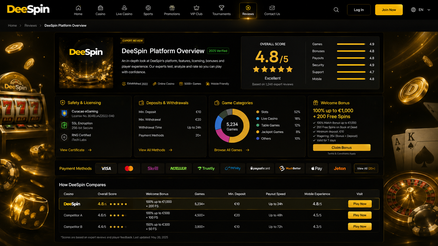
Payment Logic And Cashier Checks
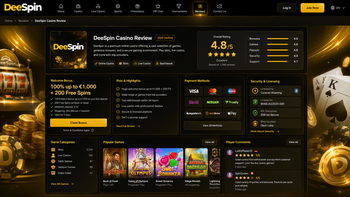
The cashier deserves its own review block because it affects trust more than any other page. Before you deposit, check the list of methods, read how values are shown, and look for any notes about additional account checks. A platform can look polished everywhere else and still become confusing the moment money is involved.
If you are testing a new account, use the smallest comfortable amount and treat the first deposit as a systems check. Imagine making a quick payment on your phone and then trying to retrace the same path later for a withdrawal. If the layout is unclear now, it probably will not improve when you need it most.
Cashier checkpoint | What to inspect | Why it matters |
|---|---|---|
Payment options | Whether the list is easy to understand | Helps you avoid trial and error |
Value ranges | How minimums and maximums are displayed | Keeps your budget realistic |
Account checks | Notes about possible review steps | Reduces surprises later |
Status updates | Whether pending actions are visible | Makes the process easier to follow |
Withdrawal path | How simple the cash-out request looks | Shows respect for the player’s time |
After that first deposit, look at the transaction history and account messages before doing anything else. A practical player wants proof that the movement of funds is visible, not just assumed. If the record is easy to read, the platform already feels more dependable.
Deposits That Feel Clear On First Read
Good cashier design explains itself. You should not need to decode labels, wonder which step comes next, or guess whether the amount shown includes the final confirmation. Clear wording lowers stress because every click feels intentional.
Picture a player adding funds late at night after a long shift. That person is not looking for complexity. They want to see the method, the amount, the confirmation, and the balance update in a sequence that feels obvious. Simplicity here is not a luxury - it is part of basic usability.
Game Browsing, Filters, And Session Control
A large lobby is not automatically a good lobby. What matters is whether players can find a suitable title quickly, compare categories without losing their place, and return to recently viewed options without repeating the whole search. Search quality and filter logic often decide whether a platform feels smooth or tiring.
Imagine opening the games section with a fixed budget and only half an hour to spare. Most people in that situation do not want endless scrolling. They want categories that make sense, visible stakes, and a quick route toward something familiar or low pressure.
Another important point is pacing. A well-built platform lets you browse, test, and stop without making every action feel like a new start. When the lobby keeps resetting or forcing extra clicks, even decent content starts to feel harder to enjoy.
What Deespin Casino Reviews Often Miss
Many review pages focus on how many games a platform claims to offer, but players usually care more about how easily they can make a choice. A smaller, cleaner lobby often beats a larger one with weak filters and confusing labels.
Picture a user trying three different categories in ten minutes. If each switch sends them back to the top of the page or hides the previous search, the experience starts to feel mechanical instead of relaxed. A proper review should describe that friction instead of hiding it behind broad praise.
Picking A Session Style That Fits Your Budget
Not every visit should have the same shape. Some players want a short, controlled session with familiar mechanics. Others want to test new sections and compare pacing across categories. Both approaches can work if the budget is set first and the session goal is clear.
Imagine deciding in advance that the evening is only for testing the platform, not chasing a result. That simple mindset often keeps the experience lighter, because every click becomes part of evaluation rather than escalation.
When To Stop Scrolling And Start Testing
Browsing can quietly eat the whole session. A smart rule is to give yourself a time limit for exploring and then choose one or two options to test. Endless comparison usually creates the illusion of control while wasting the actual playing window.
If you notice that ten minutes have passed and you are still opening previews without choosing, pause and simplify. Picture a player bouncing from category to category because nothing feels perfect. In practice, a reasonable choice made early is often better than a perfect choice made too late.
Reading Game Labels Like A Careful User
Short labels can tell you a lot when you treat them as signals instead of decoration. Category names, volatility hints, and visible stake information help shape expectations before a round begins. That is useful when you are trying to match game style with budget and mood.
Imagine opening a title that looks simple but turns out to move much faster than expected. Careful players reduce that mismatch by reading the small clues first. It is not a dramatic strategy, but it does make sessions feel more intentional.
Mobile Use, Support, And Daily Convenience
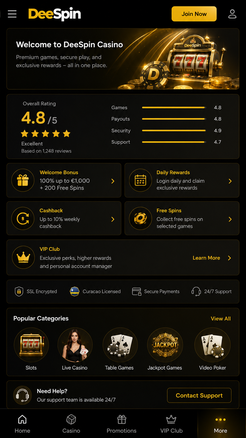
For many players, the phone is the main device, not a backup. That changes the standard for a review. A platform should let users sign in, inspect the cashier, reach support, and navigate the lobby without awkward zooming or repeated menu failures.
Imagine checking your account while commuting or waiting for food. In that moment, every extra step feels twice as long. Good mobile design keeps important tools close at hand and avoids hiding critical account functions behind decorative elements.
Support matters most when something small goes wrong. A balance update, a settings change, a pending action, or a login problem can turn a normal session into a frustrating one very quickly. That is why players should test the help route before they actually need it.
A useful test is simple: ask one ordinary question before you commit to a longer session. It might be about limits, account pauses, or a payment status. If the answer is direct and practical, confidence rises. If the response is vague, copy-heavy, or circular, that tells you something important too.
Reputation Signals, Practical Pros, And Final Take
Public reputation should be read carefully. A handful of comments can point toward patterns, but they should never replace your own short test of the platform. The better approach is to compare outside impressions with what you personally notice during setup, cashier use, and game browsing.
Imagine two people reading the same feedback page. One sees warning signs everywhere. The other ignores every criticism because the design looks appealing. Neither approach is especially useful. The balanced method is to treat reputation as a prompt for testing specific areas, not as a final verdict.
From a practical 2026 angle, the platform is best judged by ordinary actions: how quickly you can join, how clearly payments are explained, how manageable the lobby feels, and whether support helps when the answer is not obvious. Those are the details that shape repeat use.
The strongest point of a measured review is that it separates mood from process. If the workflow feels clear, the platform may suit adults in Australia who want flexible casino-style entertainment within personal limits and local rules. If the workflow feels cluttered, even strong visuals will not fix that. Usually the smartest move is to test lightly, observe carefully, and decide only after the basics prove themselves.